
Scalable AI-Driven Automation for Visual Lumber Grading

2025, ongoing - RESEARCH
Image
ai


Reusing reclaimed lumber reduces waste, conserves resources, and lowers carbon emissions, supporting more sustainable construction. Effective reuse requires accurate quality assessment to ensure safety and code compliance. Visual grading enhanced by AI-driven image analysis offers a scalable, low-cost alternative to mechanical testing, adaptable to diverse lumber sources while capturing detailed surface characteristics.

Lumber grading traditionally involves measuring mechanical properties and assigning grades under species- and region-specific rules. Conventional Visual Grading depends on trained inspectors to identify defects such as knots or splits, but is often subjective and inconsistent. Machine Stress Rated and Machine Evaluated systems provide greater objectivity through bending tests or sensor-based analysis (e.g., X-ray, ultrasound), yet remain expensive and less suited to irregular reclaimed stock.

Given the variability of reclaimed lumber (irregular dimensions, embedded fasteners, surface weathering, and biological degradation) visual approaches remain the most feasible. AI-assisted grading eliminates subjectivity while leveraging common hardware such as tablets and phones, enabling on-site assessment by deconstruction teams without costly equipment or lab facilities. The system’s algorithms align grading accuracy with standards, reducing inter-grader variation and improving confidence in structural reuse.

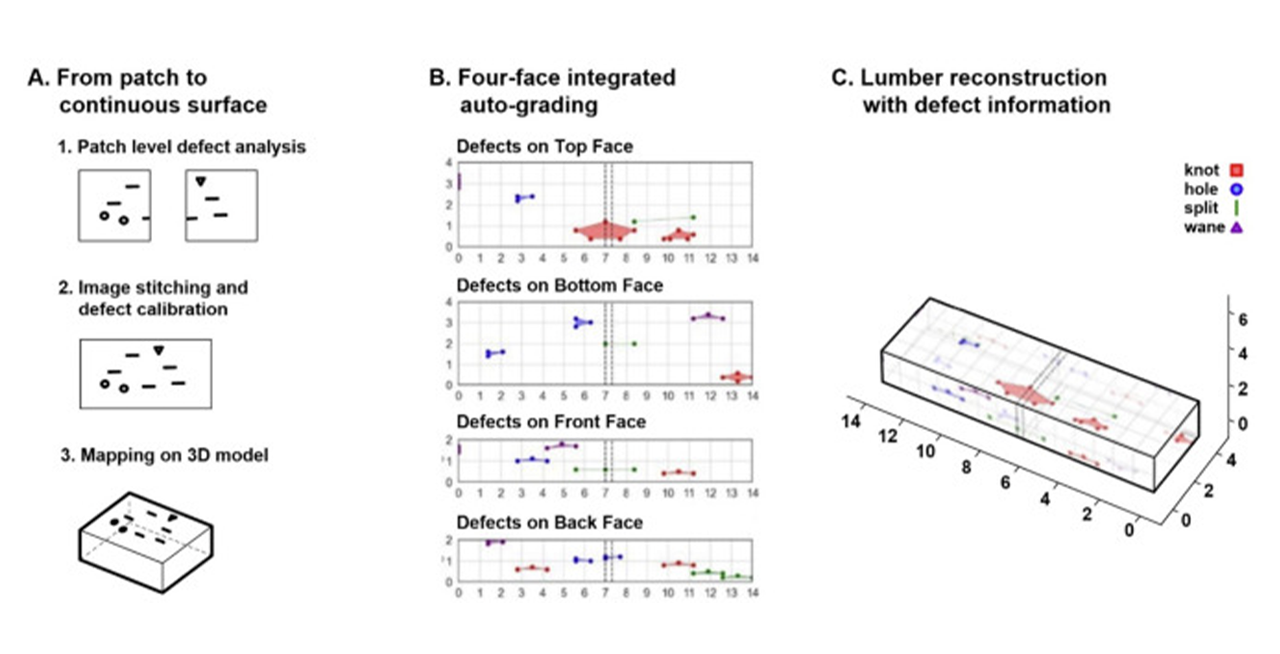
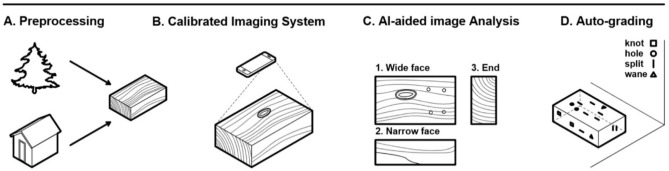
AR3-Lumber addresses three challenges: (1) precise 2D image calibration, (2) defect detection across all four longitudinal faces, and (3) auto-grading aligned with existing standards. Integrated image stitching reconstructs full 3D surface geometry for complete defect mapping. Automated grading combines local and aggregated data to generate element-level quality ratings, validated across species and workflows.

By enabling accurate, automated grading of reclaimed lumber, this research supports broader reuse of reclaimed wood in structural applications, builds confidence and capacity for local code enforcers and structural engineers in material and process, enables decentralized local reprocessing and  advances scalable circular construction practices.


ai

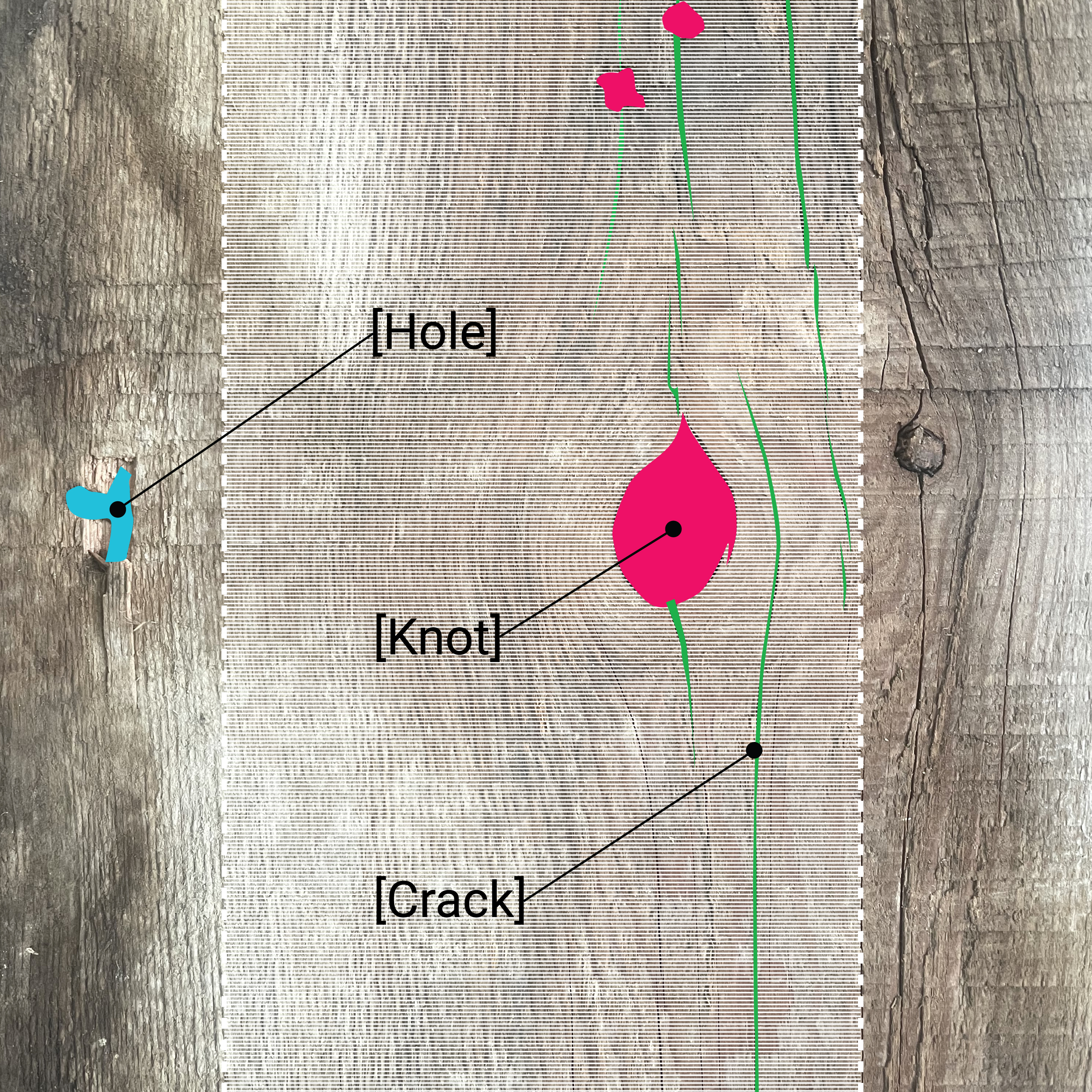
 Image Credit: Felix Heisel / Circular Construction Lab

ai

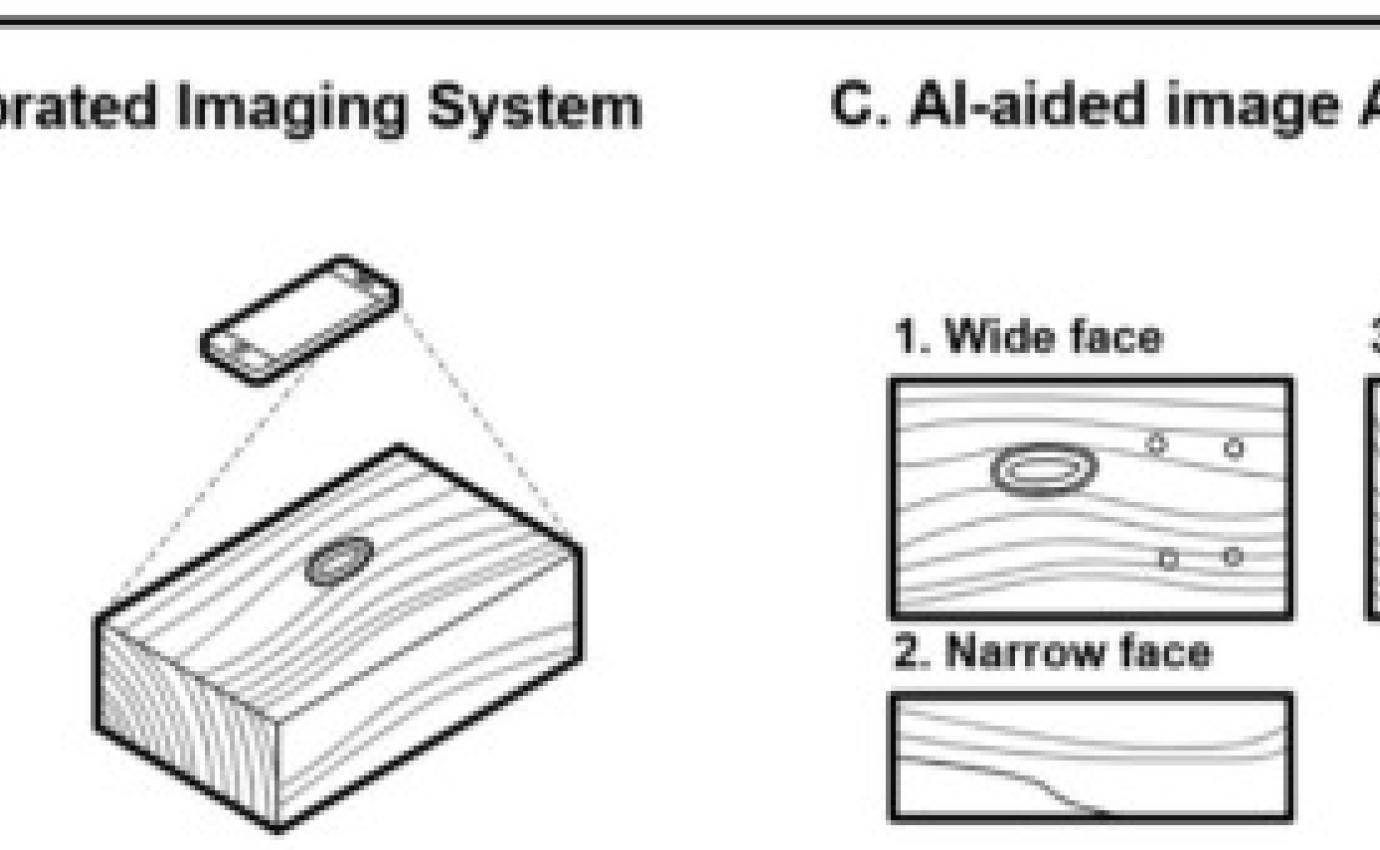
 Workflow of AI-aided visual lumber grading; Image Credit: Circular Construction Lab

ai

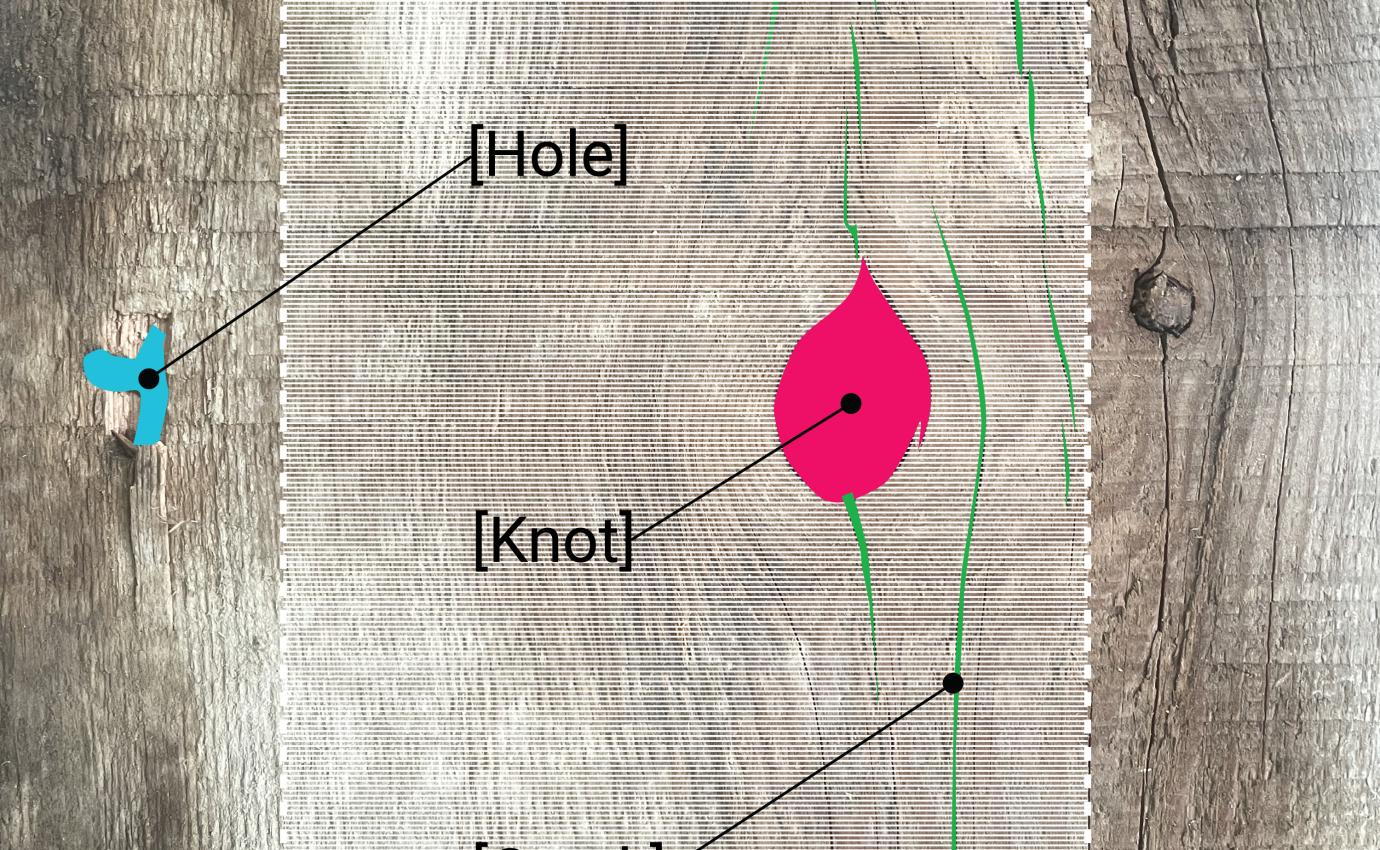
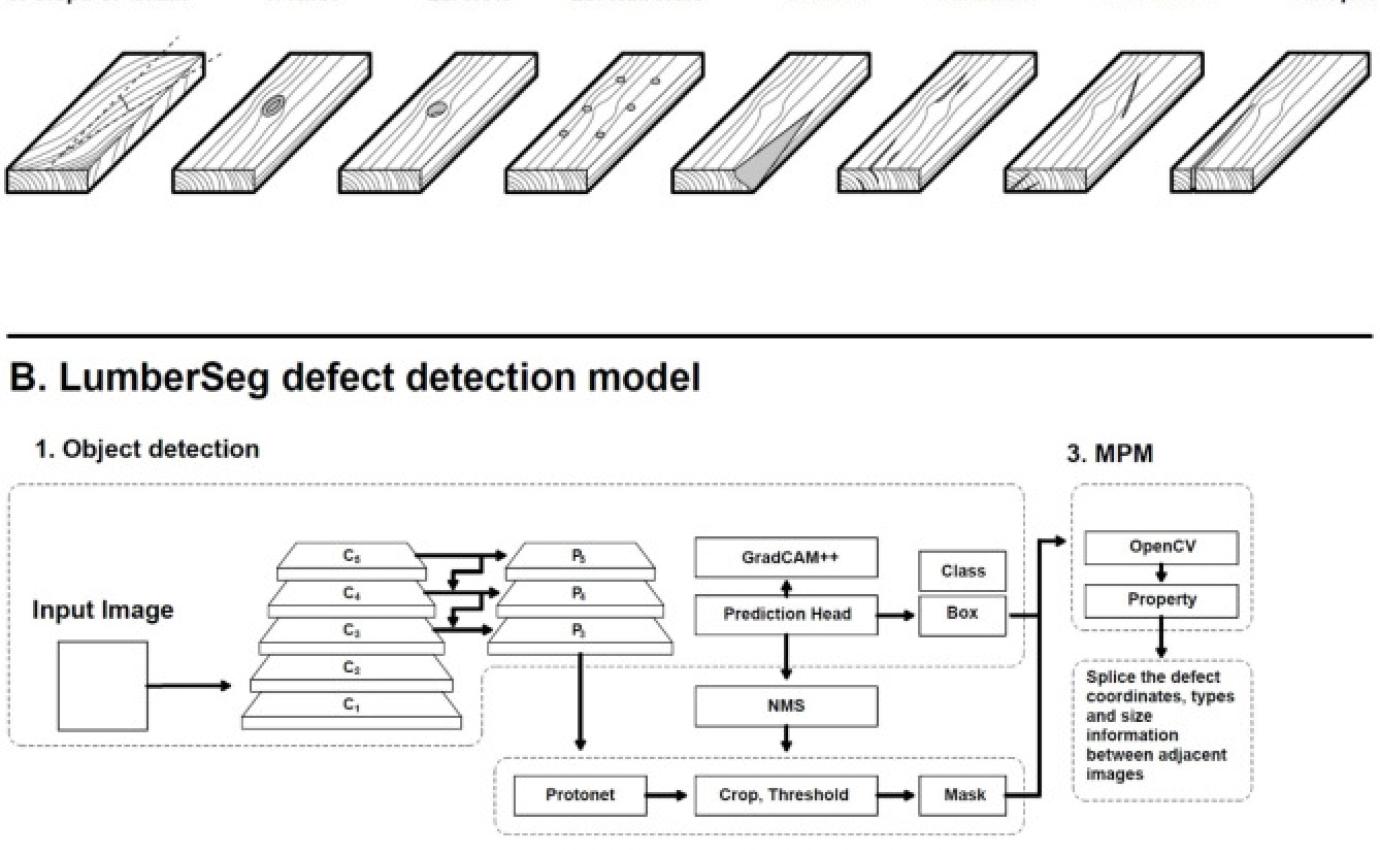
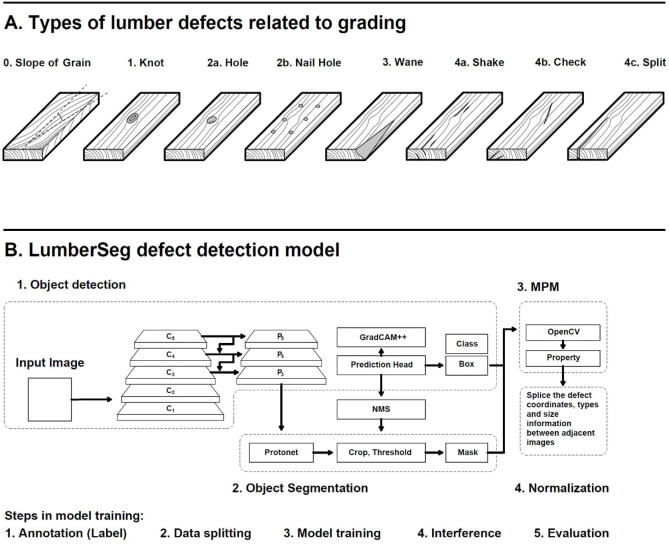
Defect definition and LumberSeg defect detection model; Image Credit: Circular Construction Lab

Project Credits:

Anye Shi (Ph.D. Project)
Felix Heisel (Concept, supervision, financing)
Dan Bergsagel (Advisor)

In collaboration with:

USDA Forest Products Lab, Cornell Computer Science Steve Marschner, Cornell Civil Engineering Mathew T. Reiter, City of Seattle, King County, WA, Seattle Salvaged Lumber Warehouse,  Cornell Civil Engineering Bovay Laboratory, Cornell Atkinson Center for Sustainability, Schlaich Bergermann Partner NYC, and Microsoft AI for Good.

Key Project Awards:

Microsoft AI for Good Award for Felix Heisel and the Circular Construction Lab, Seattle, WA, 2025.

Key Funding Sources:

Atkinson Center for Sustainability: AR3-Lumber: AI-powered Reprocessing, Regrading, and Recertification of salvage lumber for structural reuse. Academic Venture Fund, Ithaca, NY., 20245. (Heisel, Marschner, Reiter).

Key Publication Outcomes:

Shi, A., Bergsagel, D., Owen, J., Heisel, F. Scalable AI-Driven Automation for Visual Lumber Grading. Journal of Cleaner Production 533 (November): 146986, 2025.

Breakpoint: small Breakpoint: medium Breakpoint: large
Container Padding:
Column width:
Gutter:
1
2
3
4
5
6
7
8
9
10
11
12