
Engineered Wood Products from Reclaimed Wood: GrooveLam

2022, ongoing - Research
Image
groovelam


Contemporary structural design assumes access to standardized, pre-graded virgin lumber with predictable dimensions, species, and mechanical properties. Reclaimed wood, by contrast, arrives in non-standard cross-sections, reflects historic or site-specific milling practices, and rarely includes documentation of species, provenance, or prior use. Its condition may further be affected by aging, embedded fasteners, edge damage, and section loss during deconstruction. Structural reuse therefore requires new methods for assigning mechanical properties, accommodating dimensional variability, and designing with element populations that carry greater uncertainty than virgin timber.

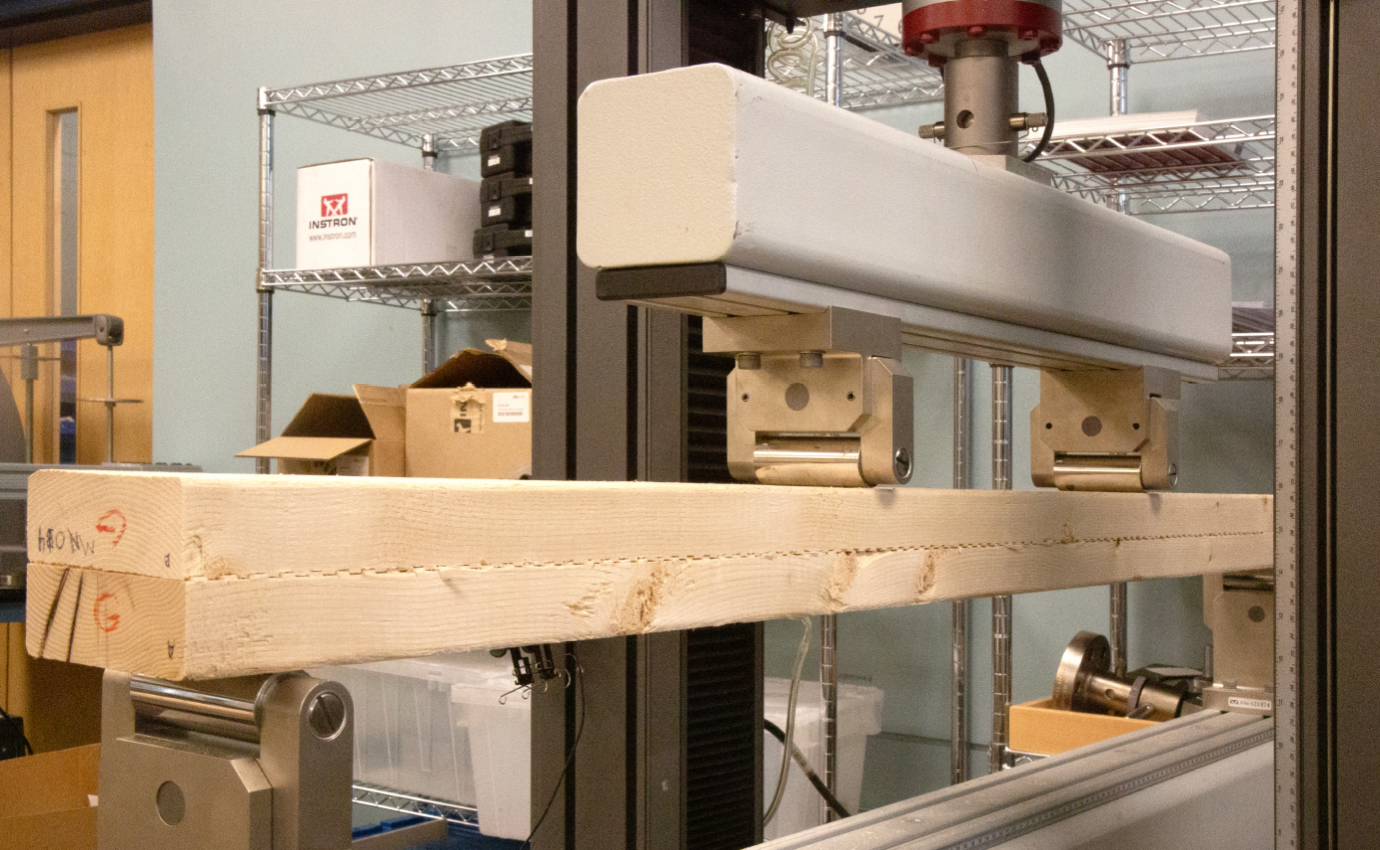
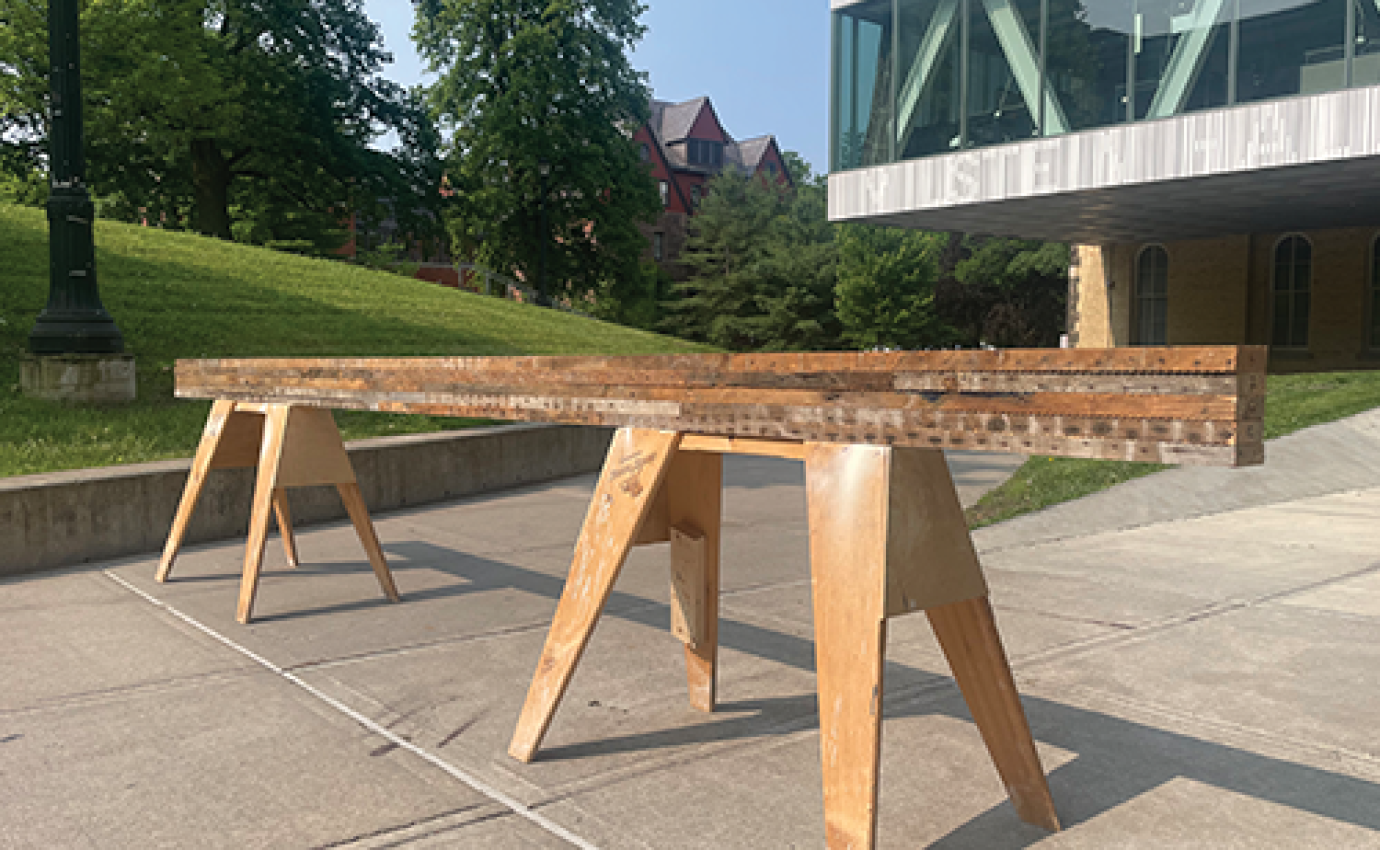
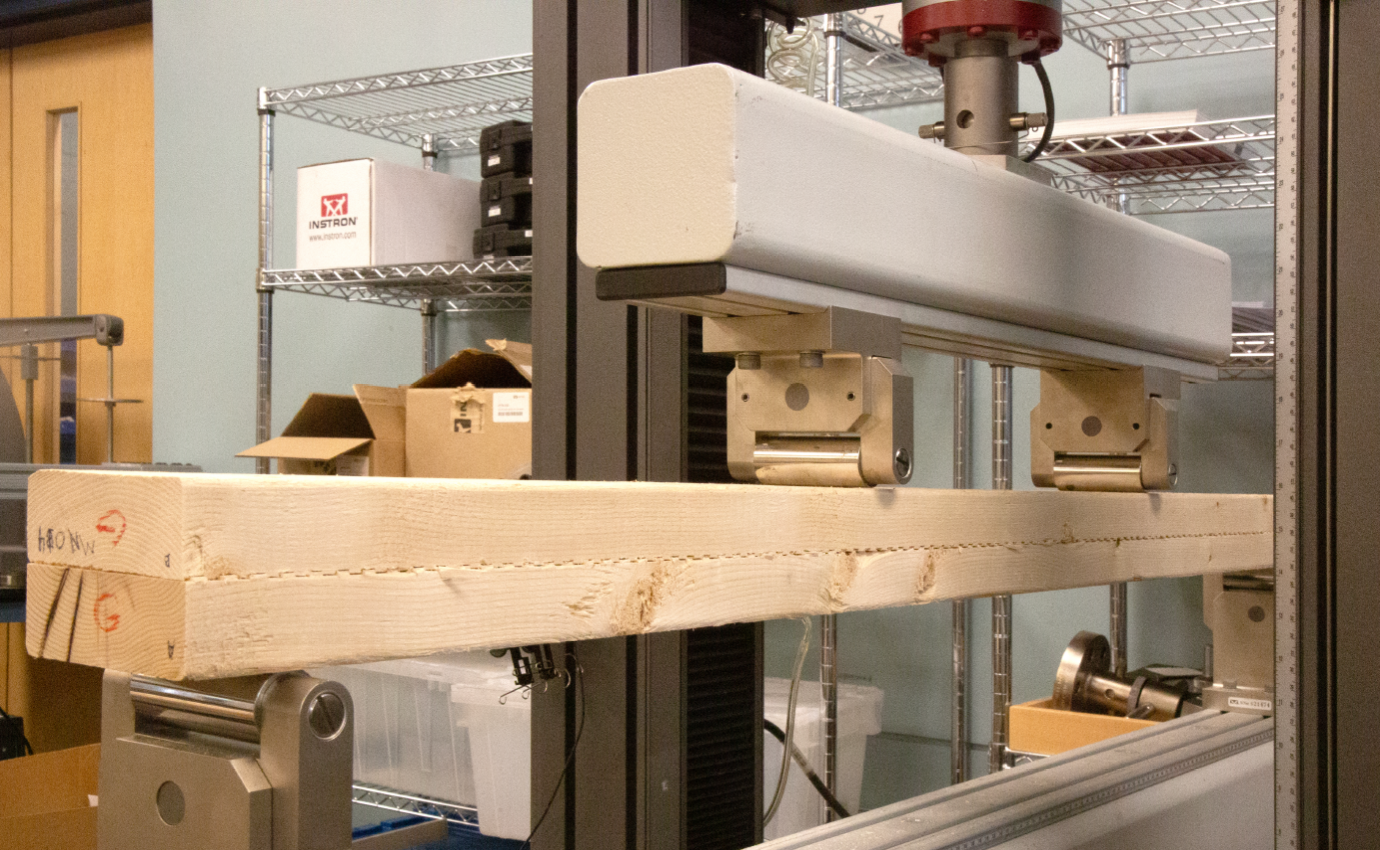
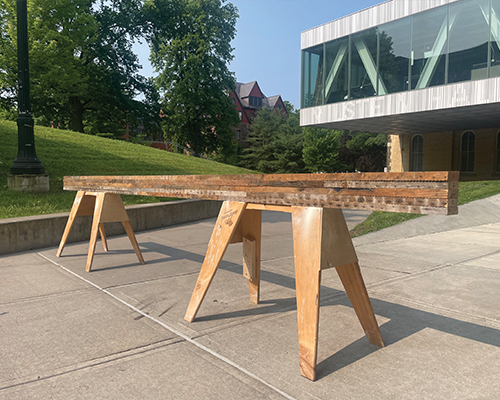
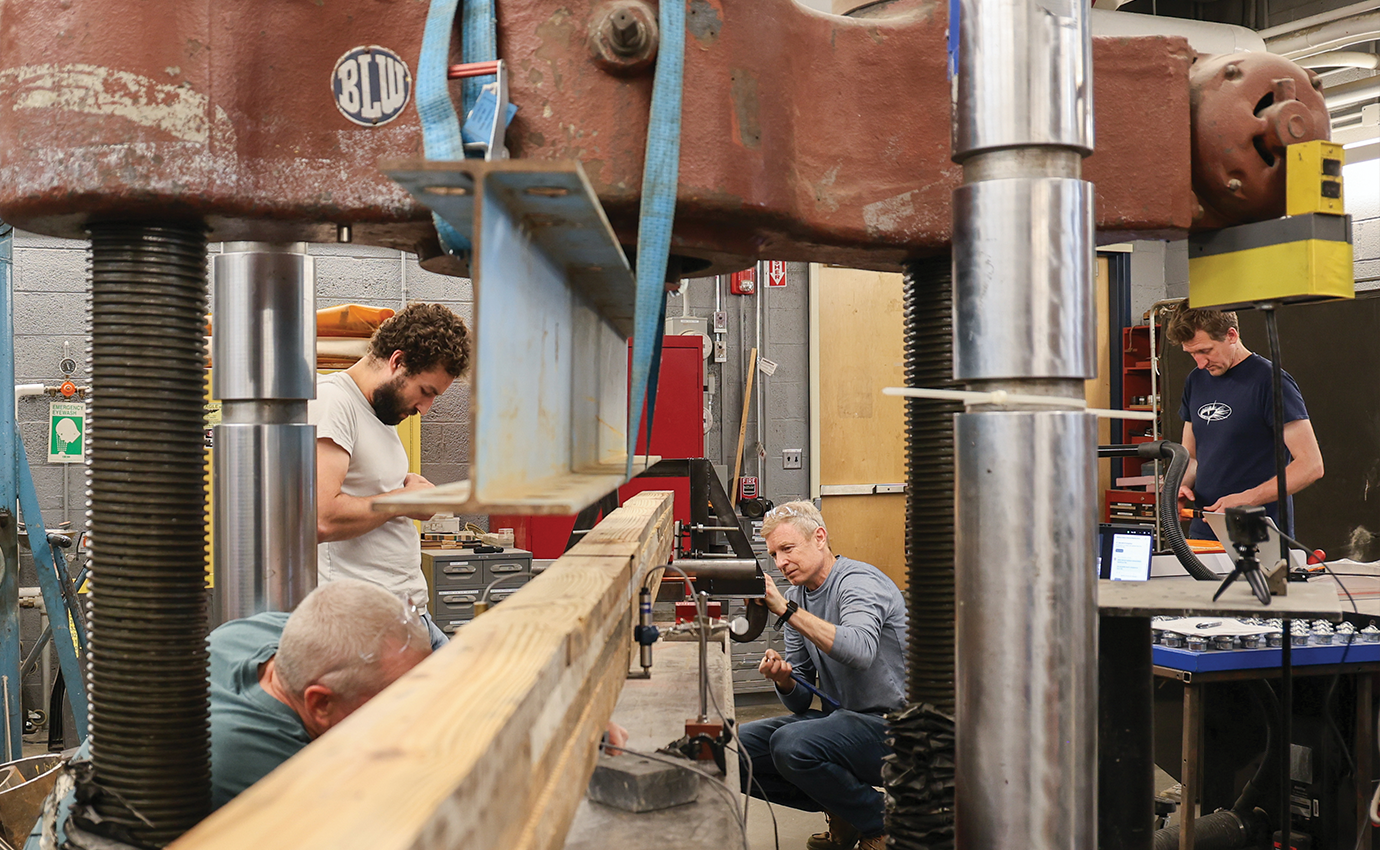
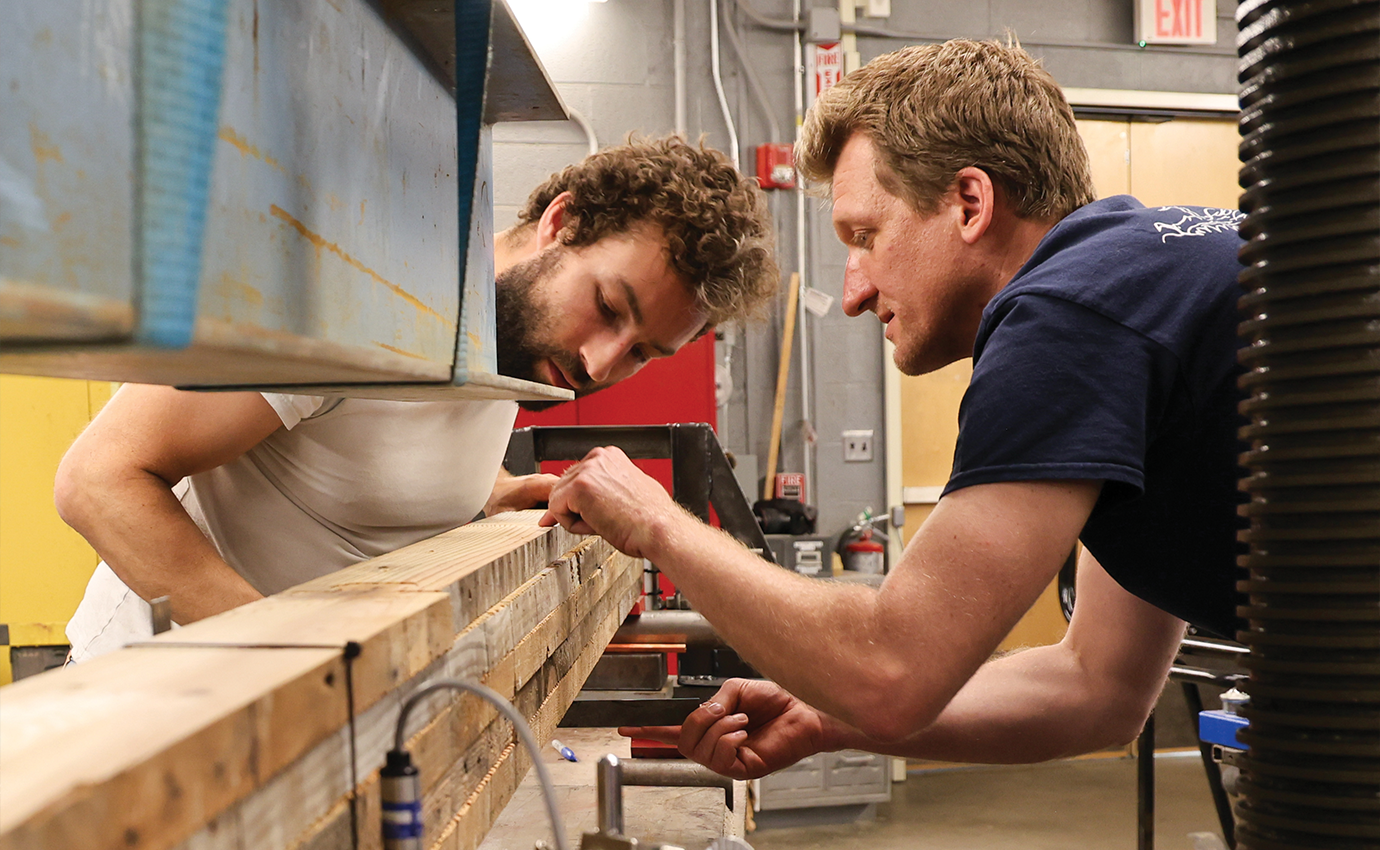
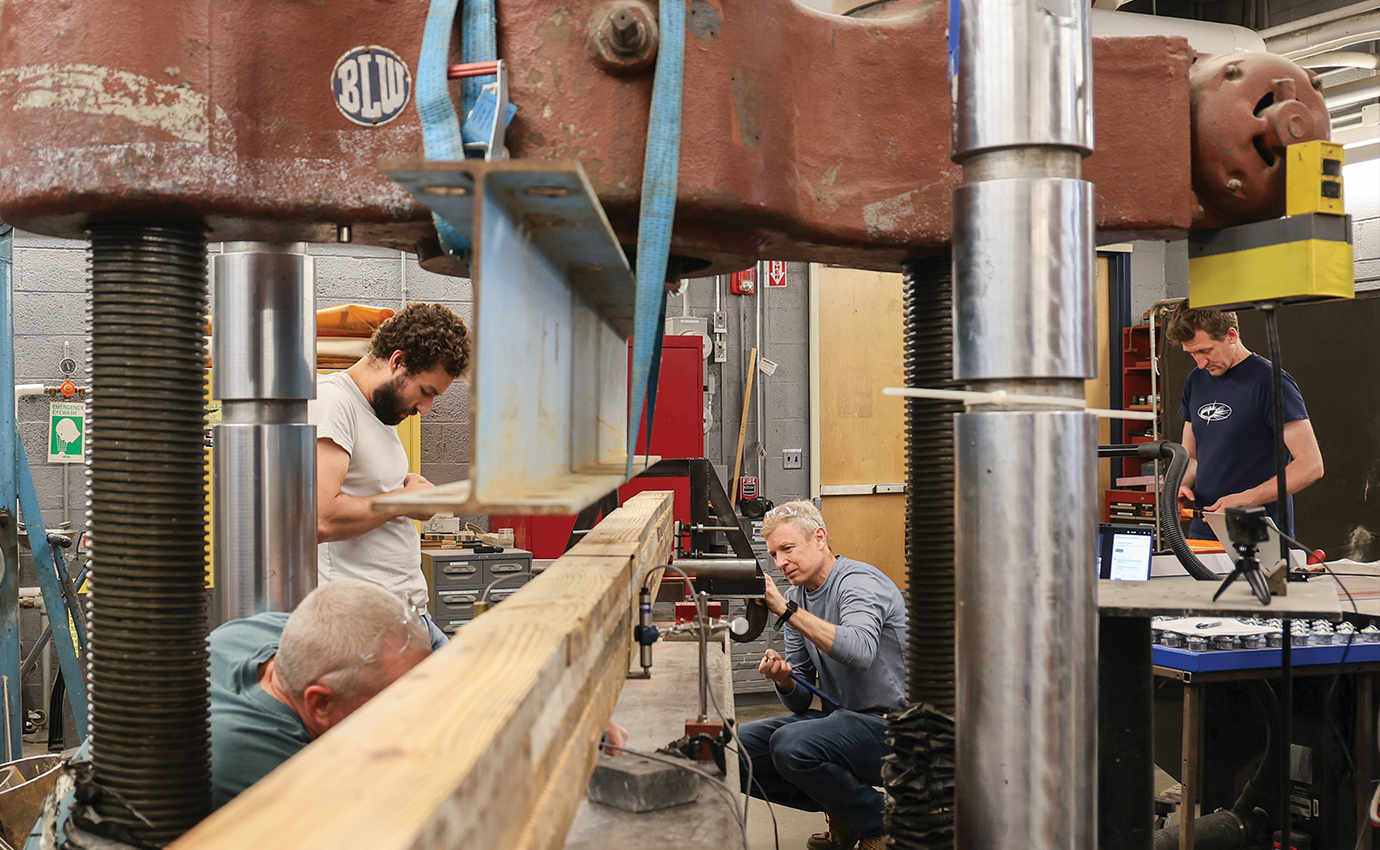
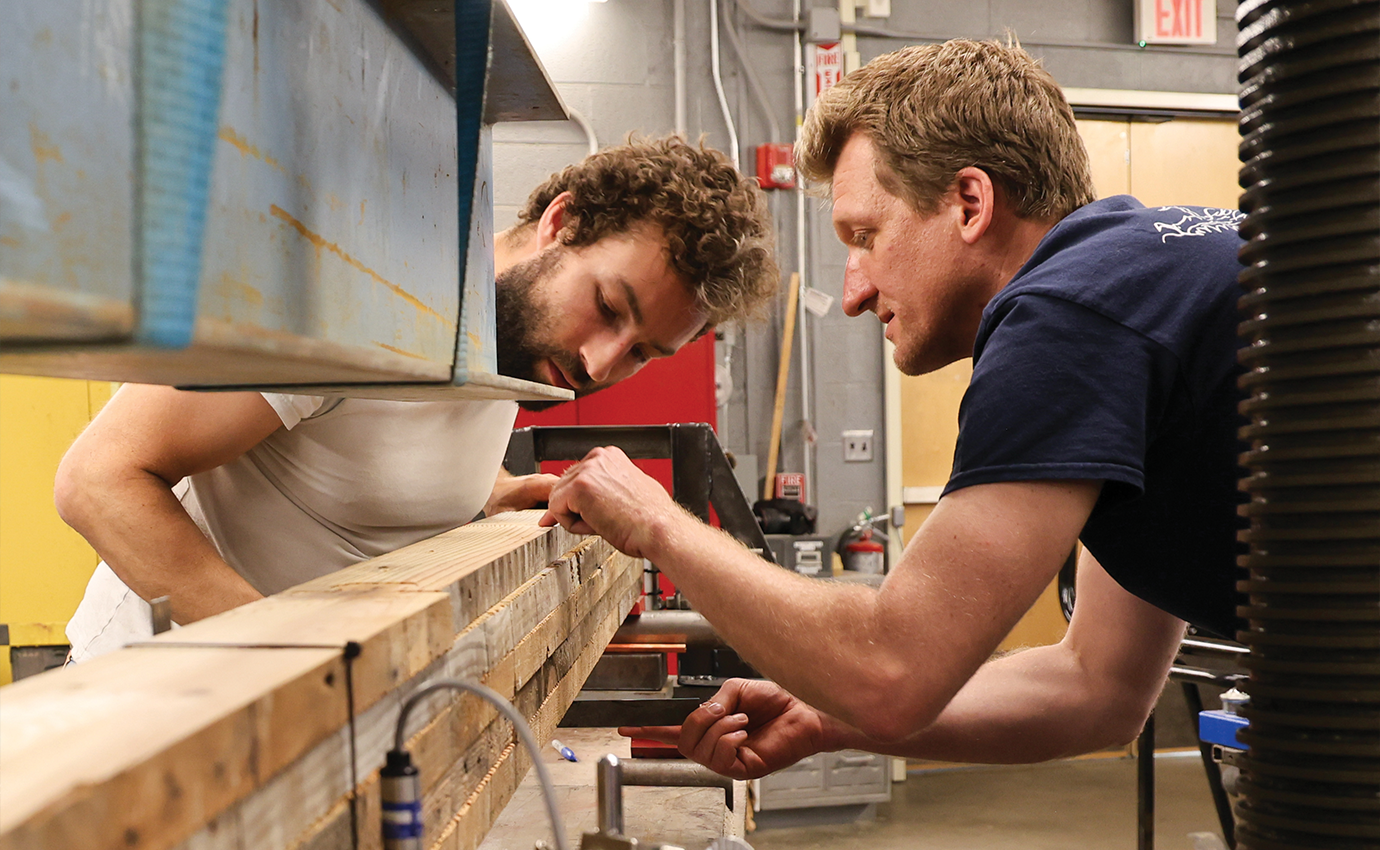
The Circular Construction Lab first trialed such methods at architectural scale in Circulating Matters, combining species identification, mechanical testing, and residual-strength evaluation to derive preliminary structural design values for reclaimed lumber. Building on these insights, and in partnership with industry and engineering collaborators, we began developing GrooveLam, an engineered timber product manufactured from reused studs, joists, and rafters of varying sizes and lengths. GrooveLam addresses the central barrier to structural wood reuse, dimensional inconsistency, by assembling reclaimed elements into a composite section without losing their material identity, utility, or circularity.

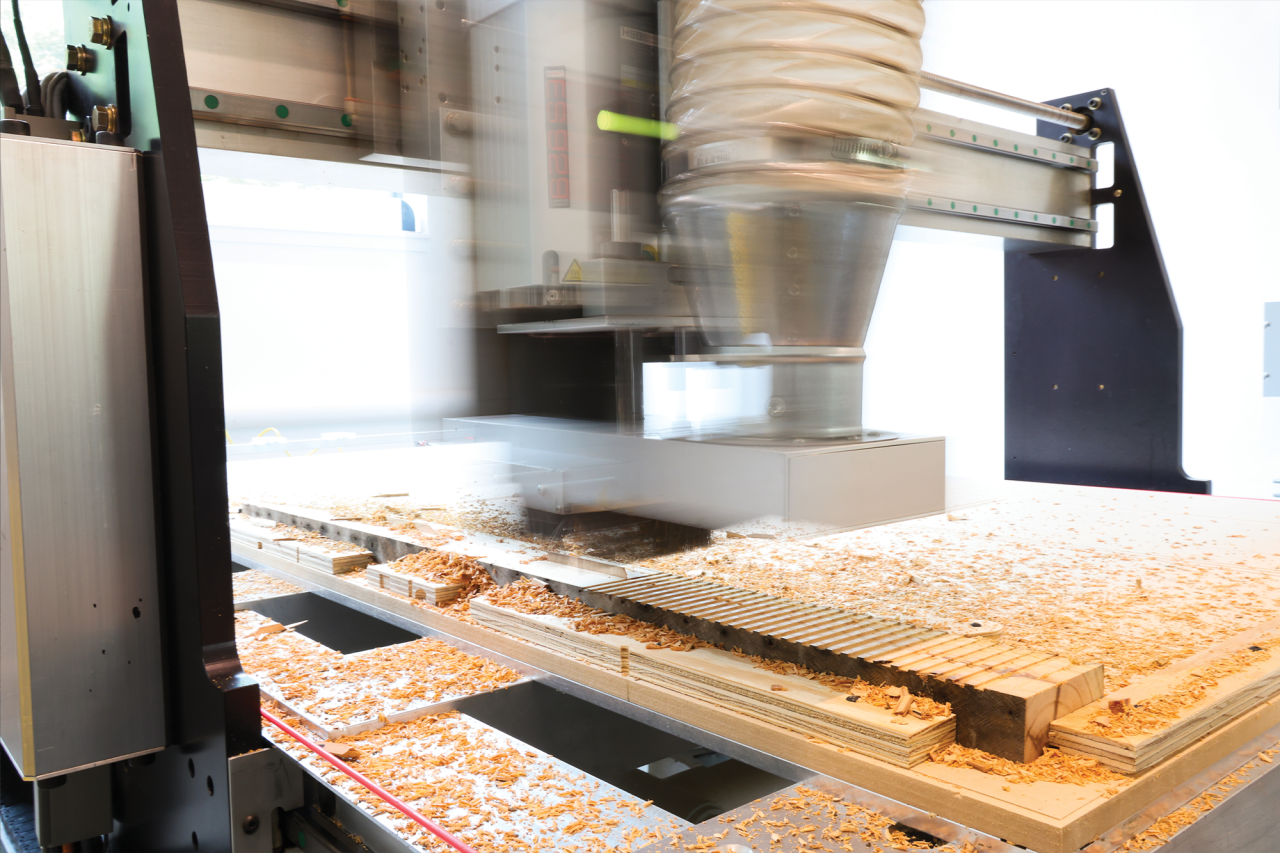
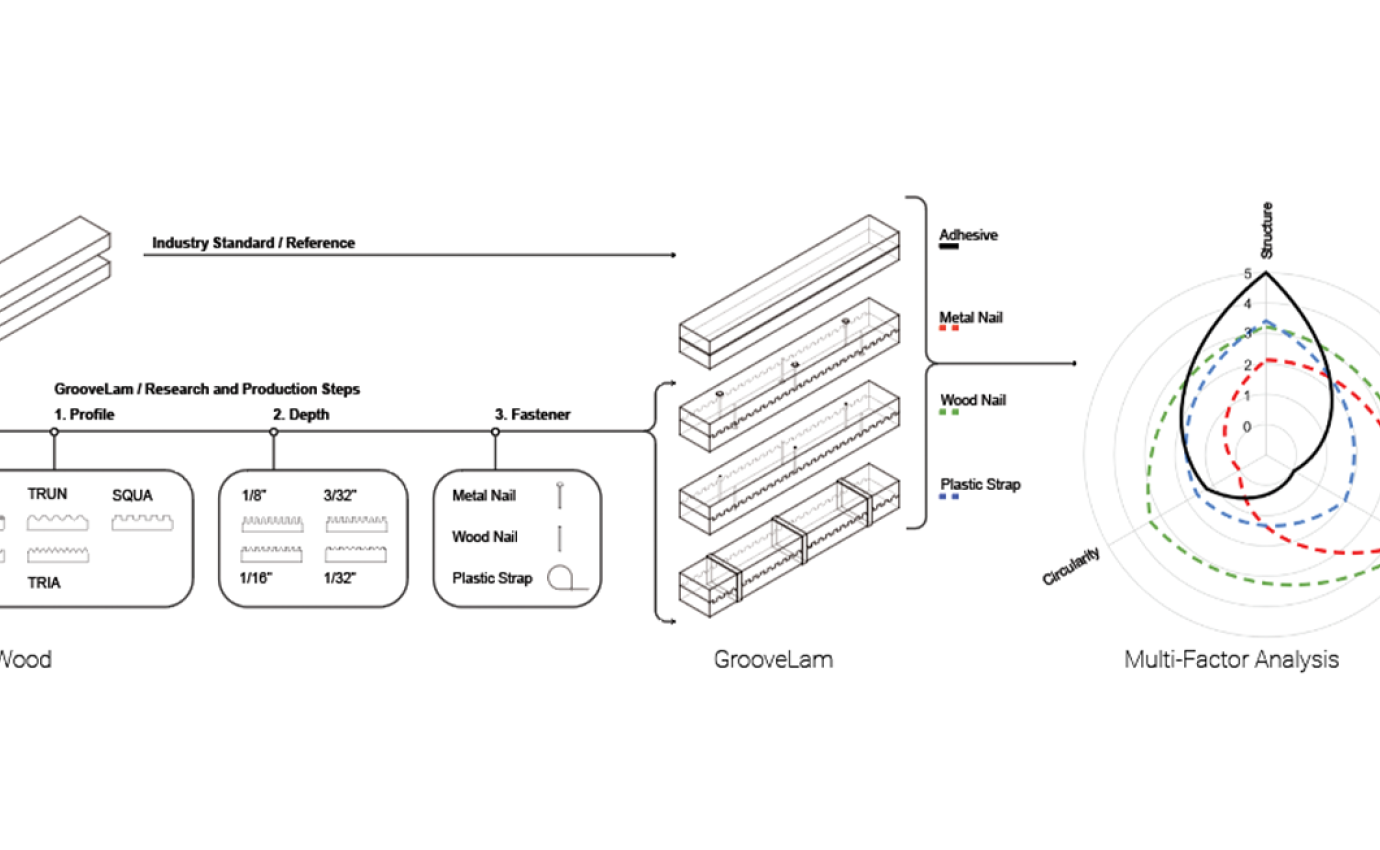
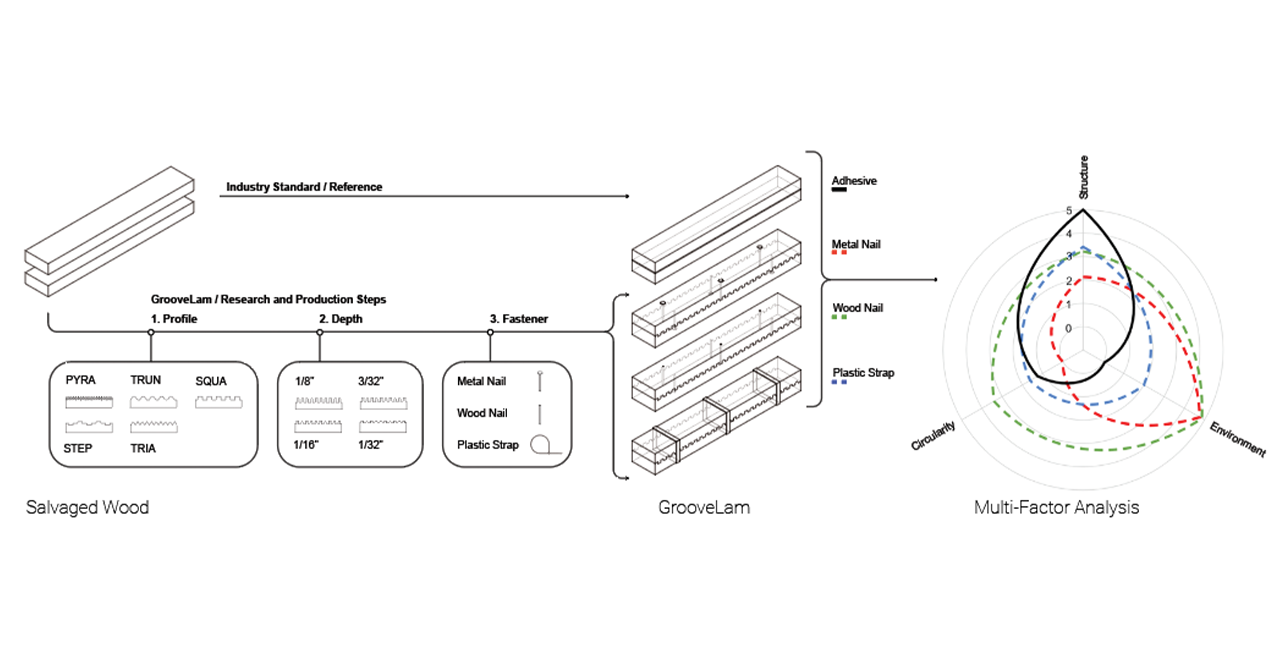
Unlike glulam or Cross-Laminated Timber (CLT), GrooveLam uses no permanent adhesives or intrusive fasteners. Instead, the system employs a precisely machined longitudinal shear interface coupled with reversible straps and/or wooden nails, enabling circular end-of-use strategies and preserving maximum value of the constituent elements. Phase 1 NYSERDA funding enabled validation of the product’s mechanical feasibility, optimization of section geometry, and a market assessment for deploying a New York State–based supply chain.

groovelam

Image Credit: Felix Heisel

groovelam

Image Credit: Felix Heisel

groovelam

Image Credit: Felix Heisel

groovelam

Image Credit: Natasha Becker

groovelam

Image Credit: Natasha Becker

Project Credits:

Project Team:

Felix Heisel
Dan Bergsagel
Maxwell Rodencal
Jasper Owen

In collaboration with:

Mathew T. Reiter (Cornell Civil Engineering), Mark Milstein (Cornell SC Johnson School of Business), Cornell Human Ecology Fiber Science Lab, Cornell Civil Engineering Bovay Laboratory, Schlaich Bergermann Partner NYC, CO Adaptive, Trade Design Build, Tri-Lox, Contento’s, and Urban Machine.

Key Funding Sources:

NYSERDA: GrooveLam: Engineered Structural Elements from Reclaimed Wood. PON 5180 Natural Carbon Solutions Innovation Challenge Phase 1 – Albany, NY, 2024. (Heisel, Reiter, Milstein, with CO Adaptive, Urban Machine, sbp NYC, Trade Design Build, Tri-Lox ).

Key Publication Outcomes:

Heisel, F., Bergsagel, D. Structural Reclaimed Wood – Reuse, Re-Reuse, and Repurposing. In: Rinke, M., Frier Hvejsel, M. Structures and Architecture, CRC Press. 2025.

Bergsagel, D., Heisel, F., Owen,  J., Rodencal, M. Engineered Wood Products for Circular Construction: A Multi-Factor Evaluation of Lamination Methods. npj Materials Sustainability 3 (1): 1–25.

Bergsagel, D., Heisel, F. Structural Design Using Reclaimed Wood – A Case Study and Proposed Design Procedure. Journal of Cleaner Production 420 (September): 138316.

Breakpoint: small Breakpoint: medium Breakpoint: large
Container Padding:
Column width:
Gutter:
1
2
3
4
5
6
7
8
9
10
11
12